By Alfie Linstead, Marketing Manager at Watsons Property.

How to Prepare a Property for Letting
In Part 1 of The Landlord Series, we looked at where to start when letting a property. Once that initial decision has been made, the next step is preparing the property for lettings.
For many landlords, this is where the process starts to feel more real. There are practical decisions to make around presentation, condition, safety, compliance and how ready the property truly is for a new tenancy.
Preparation is not about making a property feel perfect or overdone. It is about making sure it is clean, safe, well-presented and ready to give both landlord and tenant the best possible start. Small details can make a difference, not just in how a property is perceived, but in the quality of tenancy it helps support.
In this article, we explain how to prepare a property for letting, from presentation and repairs to safety checks, marketing and management support.
This article forms part of The Landlord Playbook, a practical series for landlords covering the key stages of letting and managing a property.
How to prepare a property for letting: quick landlord checklist
Before a property goes on the market, landlords should take time to check the practical details that can affect presentation, tenant interest and the start of the tenancy.
A useful checklist includes:
- Making sure the property is clean, clear and well-presented
- Dealing with small repairs or maintenance issues before viewings begin
- Checking that heating, lighting, locks, windows and appliances are working as expected
- Reviewing safety checks, certificates and landlord responsibilities
- Making sure the EPC, alarms and relevant documentation are in place
- Preparing the property for photography, marketing and viewings
- Deciding what is included with the property, such as appliances, furniture or outdoor maintenance
- Thinking about how the property will work for tenants day to day
- Setting a realistic rent based on the property, location and current market conditions
- Deciding whether tenant finding or fully managed property management support is needed
This does not need to feel overwhelming. The aim is to make sure the property feels ready, the right checks have been considered and the landlord has a clear plan before the tenancy begins.
With those points in mind, it is worth starting with the area tenants will notice first: how the property looks and feels.
Start with the basics: clean, clear and well-presented
First impressions matter when letting a property.
That does not mean a rental property needs to look like a show home, but it should feel cared for. Tenants are usually trying to picture whether they can live there comfortably, so clean, clear and practical presentation can make a real difference.
Before marketing begins, landlords should look at the property with fresh eyes. That includes the entrance, hallway, main living spaces, kitchen, bathroom, bedrooms, garden and any shared or external areas.
A few practical questions can help:
- Does the property feel clean and ready for someone to move into?
- Are rooms easy to understand and use?
- Is there any clutter that makes the space feel smaller?
- Are there any tired areas that could affect the first impression?
- Does the outside space feel manageable and presentable?
- Are there any obvious issues a tenant would notice straight away?
Tenants notice the details landlords sometimes stop seeing. A scuffed wall, tired sealant, overgrown garden or loose handle may feel minor in isolation, but together they can shape how a property is perceived.
Good presentation does not have to mean major spending. Often, it is the simple things that help: a proper clean, neutral decoration, tidy outdoor space, working lights, fresh air, clean flooring and rooms that feel easy to live in.
A property does not need to be perfect, but it does need to feel ready.
Deal with small repairs before they become bigger issues
Small maintenance issues can be easy to put off, especially if they do not seem urgent. But when a property is about to be marketed, these details become much more visible.
Dripping taps, loose handles, damaged paintwork, worn flooring, stiff doors, broken blinds, cracked sockets or tired fittings can all affect how a property feels during a viewing. They can also create avoidable conversations once a tenancy has started.
Preparing a property properly is not just about getting it online. It is about setting the tenancy up well from the start.
Landlords should consider whether anything needs repairing, replacing or refreshing before viewings begin. This might include:
- checking taps, toilets, showers and sinks
- testing doors, windows and locks
- looking at flooring, carpets and high-traffic areas
- checking kitchen units, appliances and fittings
- reviewing paintwork and marks on walls
- making sure outdoor spaces are tidy and safe
- checking that heating, lighting and ventilation are working as expected
Small fixes before marketing can prevent bigger conversations after move-in. They can also help tenants feel more confident that the property is being looked after properly.
This is also where practical advice from a lettings or property management team can be useful. An experienced team will often spot the kinds of details that may affect tenant interest, raise questions during viewings or lead to maintenance requests shortly after the tenancy begins.

Check the property is safe and compliant
A property needs to be ready in more ways than one.
Presentation matters, but landlords also need to be confident that the correct safety checks, certificates and legal responsibilities have been considered before a tenant moves in.
The exact requirements can depend on the property and circumstances, but landlords will usually need to think about areas such as:
- gas safety, where applicable
- electrical safety
- smoke alarms and carbon monoxide alarms
- Energy Performance Certificate requirements
- deposit protection
- right to rent checks
- prescribed tenancy information
- relevant documentation for tenants
- general property condition and safety
This is not the part of letting where landlords want to be guessing. Missing paperwork, unclear responsibilities or delayed checks can create problems before the tenancy has even begun.
The aim is to make sure the property is not just visually ready, but responsibly ready.
It is also worth keeping records organised from the start. Certificates, guarantees, manuals, appliance information, safety documentation and tenancy paperwork should be easy to access. That helps avoid confusion and makes the process smoother for everyone involved.
For landlords who are new to letting, returning to the market after a break, or unsure what has changed, this stage can feel particularly daunting. Having clear guidance early on can make a significant difference.
Think about how the property will work for tenants
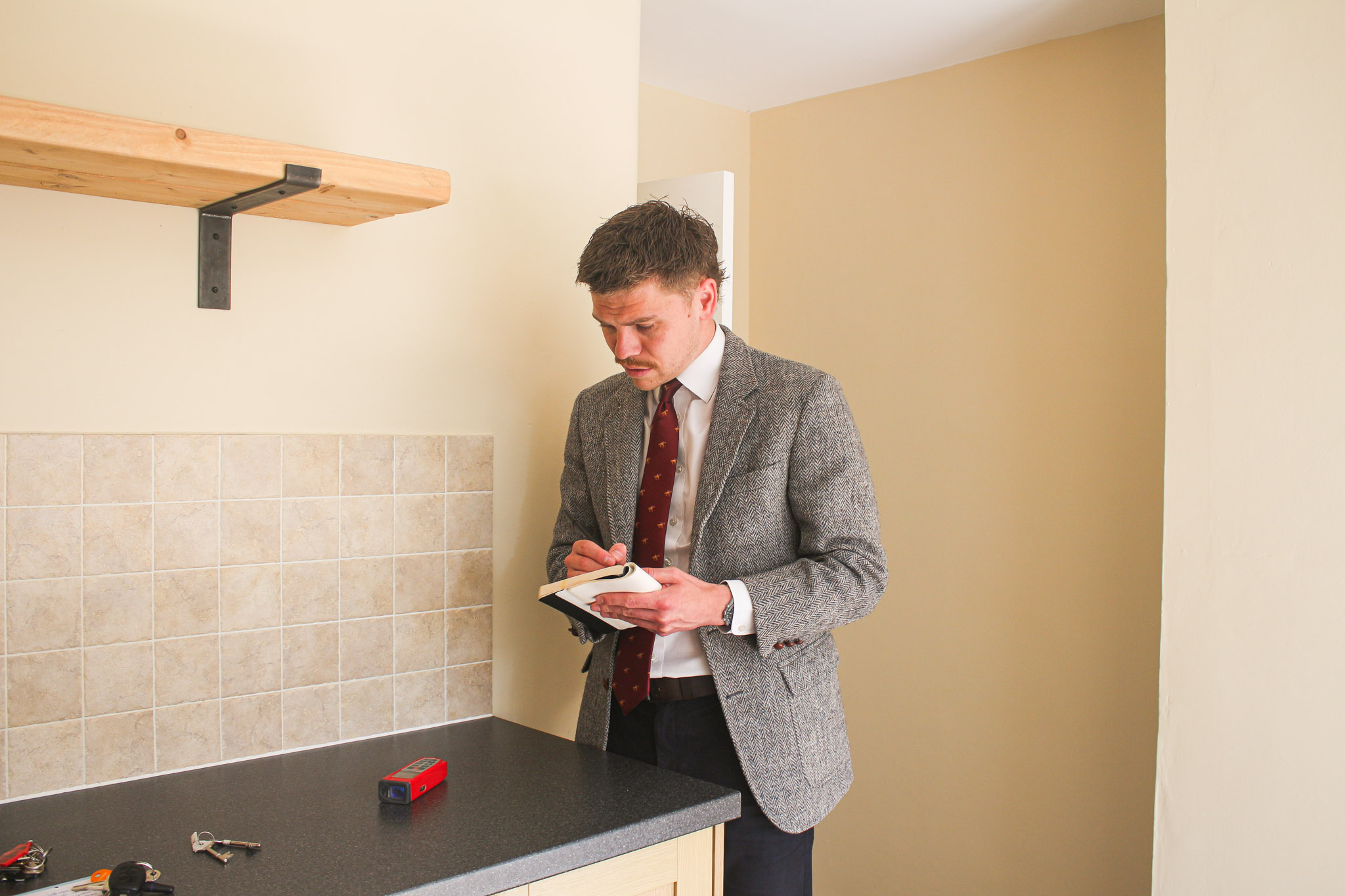
A good rental property is not just one that photographs well. It also needs to function well for the people living in it.
A tenant is not just viewing the property; they are imagining the Monday morning, the weekly food shop, the washing drying, the bins, the parking, the heating and whether the place feels easy to live in.
That is where practical details matter.
Landlords should think about how the property works day to day. For example:
- Is there enough storage?
- Are appliances clear, safe and usable?
- Is the heating easy to understand?
- Are rooms practical for the likely tenant?
- Is the garden manageable?
- Are there any access, parking or bin arrangements to explain?
- Are there instructions for appliances, meters or heating controls?
- Is the property durable enough for regular use?
The best rental properties usually feel simple, practical and easy to live in.
This does not mean changing everything. It means thinking ahead. If something is likely to cause confusion, it is better to deal with it before the tenancy begins. If something is likely to become a recurring maintenance issue, it is better to review it before a tenant moves in.
Good preparation can help reduce friction later. It gives tenants a clearer start and gives landlords more confidence that the property is ready for everyday use.
Prepare for marketing, viewings and tenant questions
Once the property itself is ready, the next step is preparing it for marketing.
This is where presentation, information and timing all come together. A property needs to be shown clearly and accurately, with the right details available for prospective tenants.
Before marketing begins, landlords should consider:
- when the property will be available
- what rent is realistic for the local market
- what is included with the property
- whether it will be furnished or unfurnished
- whether any works are still outstanding
- what questions tenants are likely to ask
- how viewings will be handled
- how quickly the property can be ready for move-in
Photography and descriptions matter too. Tenants will often make quick decisions based on how a property appears online. Clear photographs, accurate information and well-managed viewings can help attract more suitable interest.
This is also where local knowledge becomes valuable. Understanding tenant demand, pricing, location, property type and presentation can all influence how the property performs once it is listed.
The aim is not simply to get the property online. It is to bring it to market properly.
Decide how much support you need
Preparing a property for letting is also a good time for landlords to think about how much support they want once the tenancy begins.
Some landlords are happy to manage parts of the process themselves. Others want support from the start, especially if they are new to letting, live away from the property, have limited time or want help keeping everything organised.
There is a difference between finding a tenant and managing a tenancy.
Tenant finding may include marketing, viewings, applications and referencing. Property management can include ongoing communication, maintenance coordination, inspections, rent collection, compliance reminders and general day-to-day support.
For many landlords, the preparation stage is where that difference becomes clearer.
A property may be ready to let, but landlords still need to think about what happens next:
- Who will handle tenant enquiries?
- Who will arrange access and viewings?
- Who will manage referencing?
- Who will deal with maintenance?
- Who will communicate with the tenant?
- Who will keep track of ongoing responsibilities?
- Who will step in if something goes wrong?
Good property management is not just about responding when there is a problem. It is about helping the tenancy run more smoothly from the beginning.
That is why preparing a property well and deciding on the right level of support often go hand in hand.
Setting the tenancy up well from the start
A good tenancy often starts before the tenant has even viewed the property.
It starts with preparation: the condition of the property, the accuracy of the information, the standard of presentation, the right checks being in place and the landlord understanding what support they need.
For landlords, this stage is worth taking seriously. It can affect tenant interest, reduce avoidable delays, support better communication and help create a smoother start to the tenancy.
At this stage, Watsons can help landlords understand what needs to be prepared before a property goes to market, from presentation and marketing through to tenant finding, referencing and ongoing management. For landlords who want more support, our fully managed service can help take care of the practical steps before, during and after a tenancy begins.
Preparing a property for letting does not have to feel overwhelming. With the right guidance, it becomes a practical process: review the property, deal with the details, get the right checks in place, prepare for marketing and decide how the tenancy will be managed.
Find out more about lettings with Watsons
The next article in this series will look at finding the right tenant, including marketing, viewings, referencing and the steps that help create a stronger start to a tenancy.
If you are preparing to let a property and would like clear, practical guidance, Watsons can support you with lettings, tenant finding and property management.
Watsons is currently offering 3 months’ free property management on new fully managed landlord instructions.

Contact Us
For further information on the current property market and ongoing legislation changes, or to speak with one of our experts, please email the following:
- Lettings: letting@watsons-property.co.uk
- Valuation & Survey Team: survey@watsons-property.co.uk
- Property Management:management@watsons-property.co.uk
Or call us on 0333 220 1234